Keith Dion – The Jimi Hendrix Court Experience
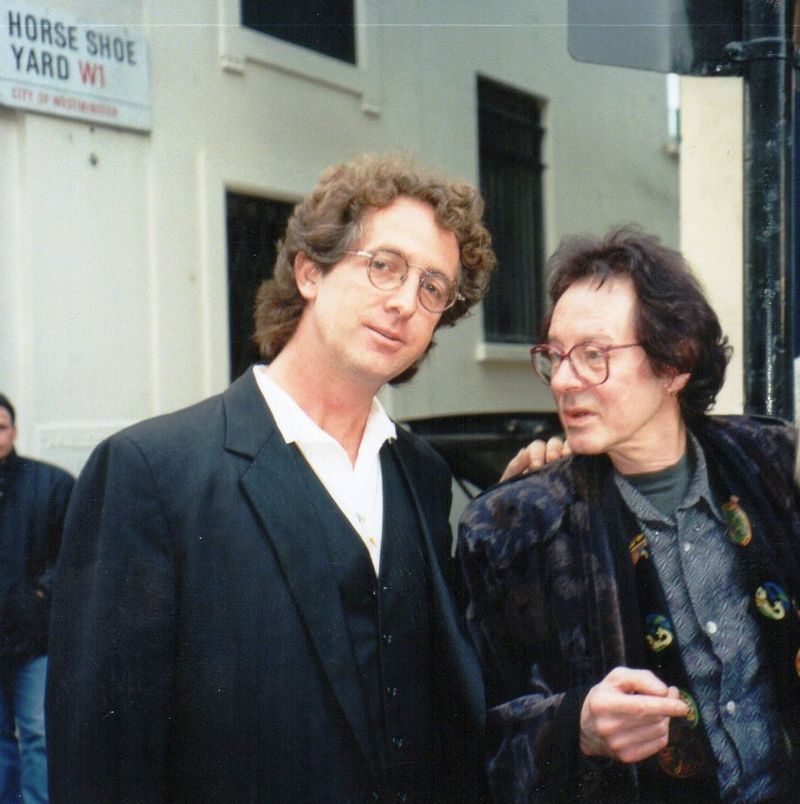
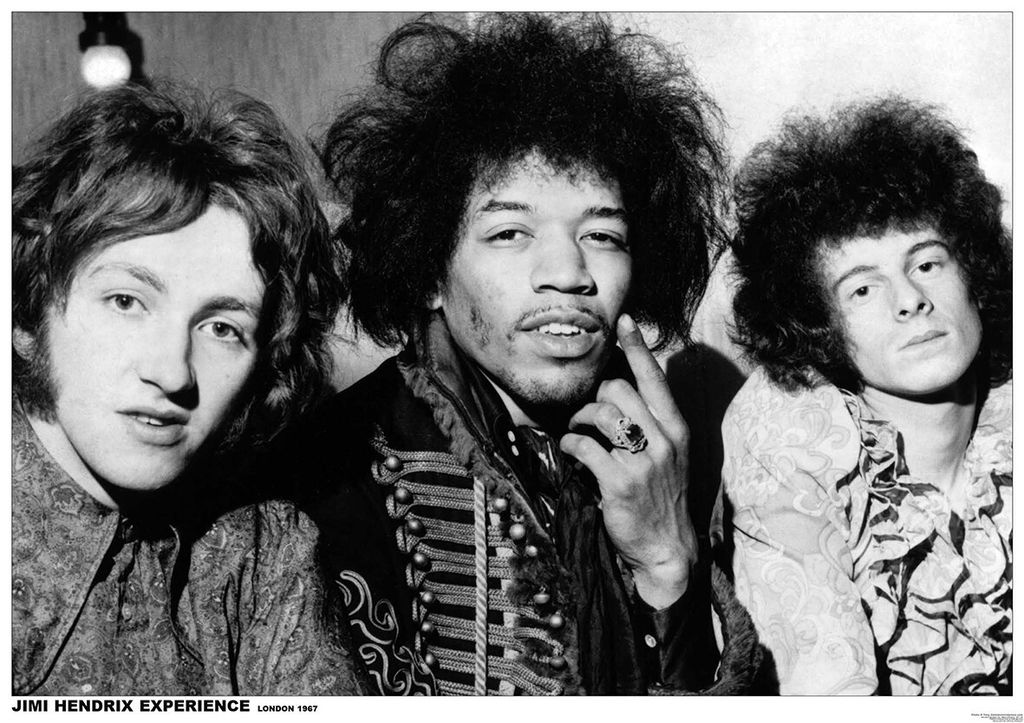
Noel Redding Estate Ltd & another v Sony Music Entertainment UK Ltd, involving the bassist and drummer of The Jimi Hendrix Experience, has concluded hearings examining performers’ rights, copyright ownership, and unpaid royalties, including streaming revenues, tied to recordings made between 1966 and 1970 (Are You Experienced, Axis: Bold As Love, Electric Ladyland). With a verdict expected on 16 February 2026, legal and industry observers are calling this one of the most significant music-rights cases in history. A ruling in favor of the Redding and Mitch Mitchell estates could set precedents affecting hundreds of legacy artists whose contracts predate the digital era.
Keith Dion — guitarist, producer, author, and principal behind the Noel Redding and Mitch Mitchell Estates Ltd. companies — offers a rare insider perspective. Dion worked closely with Noel Redding, has first-hand access to estate documentation, and brings deep knowledge of Hendrix-era contracts, post-1970 litigation, and how analog-era agreements collide with modern streaming economics.
1. This High Court case has been described as one of the most important music-rights cases in history. From your perspective, what is truly at stake beyond the Hendrix catalogue itself?
KD: You’re dead right. This case among other things is finally, a reckoning between the “old” analog recording days, and the “new” Digital Streaming times. A complete and favorable ruling in our favor will result in finally holding the Major Record companies accountable to all of the legacy musicians from the past who have never been compensated for either their “Performers Rights” and / or “Digital Streaming” revenue streaming rights. This is because “Performers Rights” didn’t even come into law until 1988, and the Digital Streaming of music didn’t really kick in until the early 2000’s.
KD: So, It doesn’t take a genius to figure out that any legacy musicians out there who’s recordings were released PRIOR to the Digital Streaming age and the enforcement of the 1988 Performers Rights Act will finally have a chance of the recognition of their legal rights and their well way past due royalties. Ours is a precedent making case, and we couldn’t be in a better starting position, by using one of the most Iconic music catalogs of all time to make our case: The Jimi Hendrix Experience catalog has never gone out of print, and will never go out of print, and continues to sell millions of “units” per year. This has obviously got everyone’s attention, and is one case that the major record companies cannot simply ignore, or “buy off” for chump change, while continuing their scandalous business models, where they make millions of dollars and musicians get next to nothing.
2. You worked closely with Noel Redding and have direct access to estate documentation. What do those original 1960s contracts reveal about how performers’ rights were understood, or overlooked, at the time?
KD: There’s a “gotcha” question right there. Again, “Performers Rights” didn’t even exist when the original Jimi Hendrix Experience Partnership, Management and Production contracts were executed in late 1966. The “defendants” for the first few years of the case kept pointing to the 1973-74 “release” documents that Redding and Mitchell were forced into signing, as “proof” that they were both owed nothing. The quick answer to that position is – as with the Digital Streaming” revenue streams issue – how could someone in 1973 “sign away” their rights to something (Performers Rights and Digital Streaming royalties) that didn’t even exist in 1973? Gotcha!
3. Many people assume that copyright law naturally evolved to protect musicians. Why do analog-era agreements like those signed between 1966 and 1970 clash so sharply with today’s streaming economy?
KD: Most people – even many professional musicians that I know and work with – have no idea how any of this stuff works, especially when it comes to songwriting publishing and the “sharing” of Digital Streaming revenues. So, the assumptions that the public has over the “fairness” of the industry to protect musicians is a complete fallacy. The major record companies control ALL OF IT: the distribution and the promotion of the music and the collecting of all the associated revenue streams, as well as by the “Sweet Heart” deals they’ve cut with all the Streaming Platforms. All of this is guaranteed to continue to make the Major Record Companies filthy rich and people like Noel Redding, Mitch Mitchell and myself getting nothing. Again, as Digital Streaming or Performers Rights didn’t exist in 1966 – 1970, how could the musicians that signed contracts from that era, possibly be compensated for in today’s Streaming Economy? The answer: NOT AT ALL.
4. The case covers recordings from Are You Experienced through Electric Ladyland. How central were Noel Redding and Mitch Mitchell creatively to these albums, and why does that matter legally today?
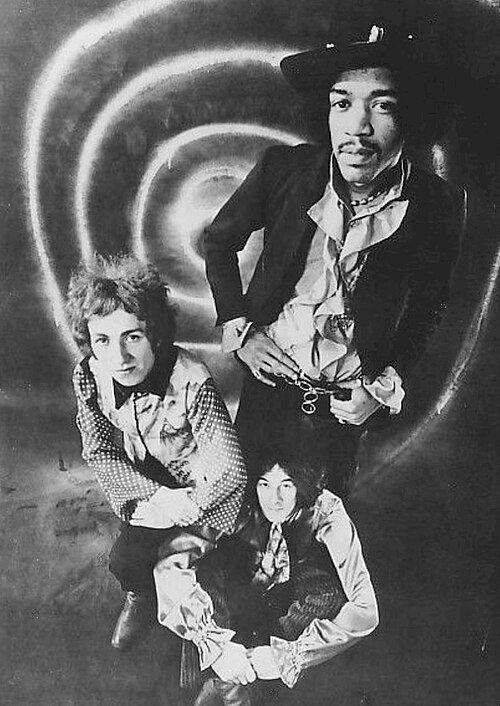
KD: Great question. Here’s the thing with The Jimi Hendrix Experience. It was a BAND – Just like The Beatles, The Doors, or The Who. Are all the members of those legendary groups getting paid ? Of course they are ! The only anomaly here is The Jimi Hendrix Experience. There’s wasn’t a situation with a major heavy weight superstar like Jimi Hendrix hiring session musicians – on hourly wages – to produce their recordings. The Jimi Hendrix Experience was not only a band, but a legal partnership. One that has proved to have never been legally dissolved in the British Courts. Their contracts from the era say just that. The “split” of the partnership was cut 50% to Jimi, and 25% each to Noel and Mitch. Noel and Mitch’s input and performances on those iconic recordings are legendary, and speak for themselves – especially Mitch Mitchell who is now recognized as one of the top 5 rock drummers of all time. Their creative input on their recordings certainly makes the legal case for them in justifying their due rights as “Performers”, and therefore Digital Streaming royalty rights as well. On top of that, the group’s recorded output was paid for by the band’s lucrative touring income, thereby proving that the band’s recordings were owned outright by the band partnership. Not by monolithic multi-national, faceless corporations, long since dead managers or entities hiding behind years of Chain of Title illegal copyright shell games.
5. If the court rules in favor of the Redding and Mitchell estates, what precedent could this set for other legacy artists whose contracts predate the digital era?
KD: This could be the biggest back royalty law suit in the history of the music business, and could be seen as a precedent where the major record companies will have to rewrite their contracts with everyone they have been profiting from for years. As described above, every legacy musician from the late 1960’s and beyond could come knocking on the doors of all of the major record companies and the Digital Streaming Platforms, finally demanding their just compensation. This could be their biggest nightmare ever, with all the ripped off chickens coming home to roost. For years they have taken advantage of and trampled everyone in their paths, while scooping up 95% of the associated revenue streams. Wouldn’t it be grand to finally see the musicians paid for their work?
6. Streaming royalties are a major focus of this case. In your view, how have modern platforms exposed long-standing inequities in how historic catalogues are monetized?
KD: It’s all in the paperwork, and the devil is in the details, as they say. Most people just assume that all record contracts from the various companies are all the same, and everyone “gets what they’re owed”. This is not the case, as every different band or group signed to a major label over the years will have different language within the contracts. To your point, again you can bet your next paycheck that the majority of legacy musicians from the 1960’s and beyond – just like Noel Redding and Mitch Mitchell – get nothing for the exploitation of their work, while making millions of dollars for “suits” and faceless corporations like something out of a “Kafka Novel” – as my old friend Noel Redding constantly told me.
7. You’ve described this case as not just about Jimi Hendrix, but about recognition and fairness. What does “fair compensation” actually mean for musicians who helped shape recorded music history?
KD: “Fair Compensation”, to me would mean that if you are in a successful group, or are a singer-songwriting selling thousands of records or “streams”, then you should be able to be justly compensated, and perhaps live a fairly good life through the exploitation of your work. Out of ALL of my professional musician friends – either back in New Zealand (where I grew up), or in the US or the UK, there is only ONE musician that I know of, who is fairly compensated and lives a comfortable life through his work in music. Without naming names, he is one of the Top 10 drummers in the world and constantly tours with “A” List songwriters. When we are talking about musicians like Mitch Mitchell and Noel Redding who helped shape modern music, they should be paid per the original partnership agreements they signed when they formed their group – The Jimi Hendrix Experience. The Hendrix catalog has sold well over 100,000,000 copies if not twice that amount worldwide, and Mitchell and Redding got nothing, besides the minuscule amounts they were forced into receiving in 1973 – 74.
8. There have been decades of litigation surrounding the Hendrix catalogue. What parts of the post-1970 legal aftermath are still widely misunderstood or untold?
KD: Bingo! I was hoping you would ask me something like this. The most misunderstood thing or person associated with The Jimi Hendrix Experience has to do with their manager Michael Jeffery. For the uninitiated, along with the ex-bassist of The Animals, Chas Chandler, Jimi Hendrix was discovered in New York by Michael Jeffery. The chaos and litigation surrounding the group – which is without doubt the MOST LITIGATED band or recording catalog in music business history – centers around the facts that first, Jimi Hendrix died without a will in 1970, and then second: Michael Jeffery died in a plane crash in 1973, taking most of the contracts and documents of the group with him. Mitch Mitchell and Noel Redding had already started litigation against Warner Brothers, the Hendrix Estate and Michael Jeffery, and then Jeffery disappeared in a plane crash enroute to giving a deposition in Reddings’s royalty court case.
KD: Without their “Star” Witness – and without the contracts and documents proving their ownership in the Hendrix copyrights and the partnership agreement, this led directly to the tiny “settlement” sums that Redding and Mitchell were eventually forced into taking. Further compounding the “legend” of Mike Jeffery is the fact that his body was never fully identified, and he never sat down for a filmed or recorded interview. All of this has led to the biggest conspiracy theory industry you’ve ever heard of, with legions of “experts” all claiming that Jeffery faked his own death, murdered Jimi Hendrix for a $2m insurance policy and riding off into the sunset with all of that stolen Hendrix and Animals loot! I shit you not. You couldn’t make this stuff up if you tried.
KD: Currently I’m finishing up a book on what should be the final word on all things Mike Jeffery, dispelling all of the silly conspiracy theories and finally exonerating him once and for all. “The Last Rays of the New Rising Sun: Mike Jeffery and The Final Reckoning of The Jimi Hendrix Experience”, is the title and the book will also cover our current court case, and how all the dodgy business and rip offs went down, as well as identifying who the REAL villains in the Jimi Hendrix story were, and I can tell you right now it wasn’t Mike Jeffery. His track record in taking Jimi Hendrix and The Experience to the top of the music business heap, speaks for itself. And boy, do we have some villains for you.
9. As both a musician and a producer, how do you personally reconcile the artistic legacy of these recordings with the harsh realities of the business structures behind them?
KD: The only way you can reconcile ANY of this, would be for a positive and favorable outcome at trial, which will show the world what most people had just assumed – that Mitch Mitchell and Noel Redding were part of a band and partnership with Jimi Hendrix and they both equally shared any and all income from their historic, multimillion selling catalog over the last 55 years. We’re all holding our breaths and crossing our fingers for a favorable outcome from the UK courts, finally “setting the record straight” to use that tired cliché’ hopefully for the last time. As a musician and songwriter myself, I find great irony in the fact that the name of my San Francisco based group is called “The Great American Robber Barons”. If anyone is going to upend the music business and “correct the wrongs of the past”, then it would have to be a definitive Great American Robber Baron, taking on the industry while being associated with one of the most iconic recorded catalogs of all time.
10. Your personal experiences touring and recording with Noel Redding give you a unique vantage point. What side of Noel, as a musician or collaborator, do you feel history has overlooked?
KD: Let’s face it – when most writers, “experts” or historians write about The Jimi Hendrix Experience they immediately focus on the virtuosity of both Jimi Hendrix as the greatest guitarist who ever lived, and on Mitch Mitchell who’s generally seen to be one of the top 5 drummers of all time. With this, Noel has been somewhat relegated to the background with some people even claiming that he wasn’t a great bassist, but just a guitarist who was handed a bass to get the ball rolling. This is completely untrue, and he more than held his own as the time keeper, and rhythmic clock who held the whole thing together while Mitch and Jimi soared off into the stratosphere. The Jimi Hendrix Experience was a trio, and needed someone like Noel holding the whole thing together. Just think if the Experience had a mind-blowing virtuoso like Jaco Pastorious on bass, over playing and soloing over everything at the same time as Mitch and Jimi? It would have been chaos. As a person and as a collaborator, Noel was a wonderful person, with nary a peep of anything negative about him coming out since his passing in 2003. From the moment we met in London in 1997, he trusted me emphatically with everything: the music, the booking, the group, the promotion, the money – all of it. I’d like to think that he’d be very happy at where we all are today regarding his musicianship and his continued legacy, as would Mitch and Jimi.
11. You’ve hinted at exclusive insights regarding Hendrix’s manager, Mike Jeffery. Without jeopardizing the case, what can you say about his role in shaping, or distorting, the financial outcomes for the band?
KD: Great! Thanks for another stab at the elusive character of Mike Jeffery. In the research for the case and for the two books I’m writing on all of this, we’ve seen legal and financial documents that no one has ever seen before and that will make people’s heads spin. First and foremost, that will be aired in my upcoming book, are Mike Jeffery’s British Army Records from the early 1950’s. Most of the more outrageous claims against Jeffery from the Hendrix conspiracy theory crowd all claim that Jeffery was some type of MI5 / MI6 / CIA / Mafia / COINTELPRO secret agent operative, who stole the band blind, planted drugs on Jimi at the airport in Toronto in May 1969, sabotaged the Band of Gypsys gig at Madison Square Garden in January 1970, had Jimi murdered via a waterboarding assassination hit squad for an insurance policy that we now know was never taken out, and who then faked his own death while making off with all the cash. The truth about Mike Jeffery and his British Army career are that he enlisted in the British Army in 1951 as a Private and he ended it five years later as a Private. All of the conspiracy theories about Jeffery’s military career as a “High Ranking, British Army Intelligence Operative” are complete bullshit.
KD: Again, Mike Jeffery’s record as Jimi Hendrix’s manager speaks for itself, as it was he alone who negotiated all the recording, publishing and touring contracts, and brought the group to the top of the music business heap. Without letting too much out, I can also say – with documentation in hand – that Jimi Hendrix’s entire career was a complete crime scene, from his humble beginnings as a session guitarist until the end of his life, even before he was discovered and whisked off to London from New York by Jeffery and Chandler in September 1966. The fraud and the massive crime scene continued well after Mike Jeffery’s death in 1973, across decades, as the big-time business juggernaut of the Jimi Hendrix Empire lumbered on, leaving the ripped off Redding and Mitchell at the side of the road.
12.Looking ahead to the expected verdict on 16 February 2026, what message do you hope this case sends to the music industry about legacy artists, ownership, and respect in the digital age?
KD: This case has been a long time coming, and again, by using the massively iconic catalog created by The Jimi Hendrix Experience, this cannot be ignored, nor swept under the rug, nor bought off with quick buck chump change by major record companies and streaming platform suits. Musicians and guitarists often use the phrase “Before Hendrix” and “After Hendrix” to describe musical trends, creative inspiration or levels of guitar playing expertise. Here’s hoping that a positive outcome in this watershed “Hendrix Case” will bring justice and reward to all legacy and future musicians who deserve to finally be paid for their work, and not be defrauded by industry suits and faceless corporations. I for one am looking forward to a further successful “After the Hendrix Case” career as a musician and songwriter in the music and recording industry.
Keith Dion
San Francisco CA
January 20, 2026.


Kind of playing favorites with Noel aren’t you? BTW, Noel and Mitch were not forced into signing away their rights. They agreed with it. Jimi’s music was doing very well at that point in time. Just sayin.
Skylight Magazine does not endorse the views or positions expressed by the interviewee. The opinions shared reflect solely the interviewee’s personal perspective and interpretation of the facts. Skylight Magazine functions as a journalistic platform, not a court of law. In that spirit, anyone holding a different or opposing view is welcome to submit their perspective, which we will present in full, should they wish. Please feel free to share your point of view with us, you are more than welcome! Thank you.